
 01727 800372

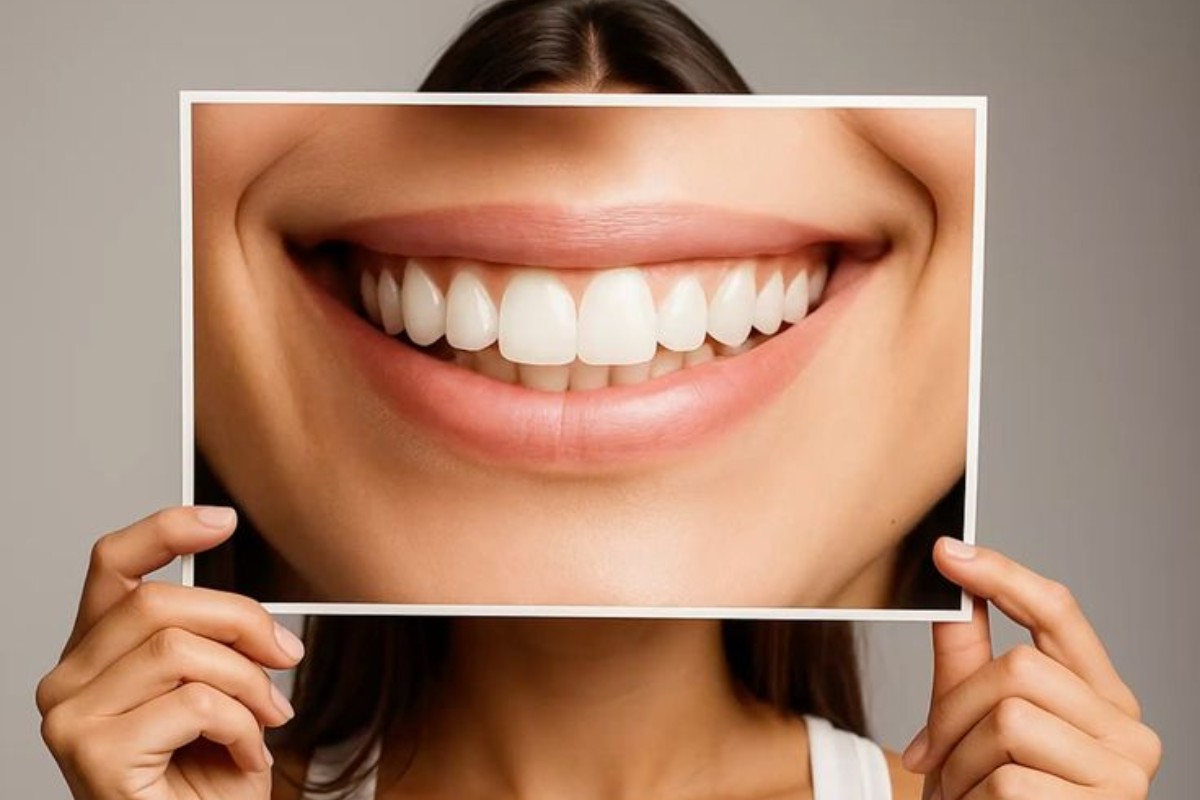
Richard was 28 when he finally booked his consultation. He’d spent years angling his head slightly in photos, careful not to show the crowding in his lower teeth. As a young professional in St Albans, he worried braces would mean two or three years of awkward smiles and endless appointments.
His first question wasn’t about cost.
It wasn’t even about appearance.
It was simple:
“How long will this take?”
If you’re considering treatment with an Orthodontist St Albans, you’re probably wondering the same thing.
Do you live in or near St Albans? Are you considering straightening your teeth? We can help you! Contact UK Dental Specialists and book a consultation with an experienced Orthodontist. Our friendly and highly skilled team will guide you through every step of your orthodontic journey.
The Short Answer: Average Orthodontic Treatment Times
Orthodontic treatment time in the UK varies depending on the complexity of your case. However, most patients fall within predictable ranges:
- Mild alignment issues: 6–9 months
- Moderate crowding or spacing: 12–18 months
- Complex bite corrections: 18–24 months
When patients ask, “How long do braces take?” the honest answer is: it depends on what needs correcting.
No two smiles are identical. Tooth position, jaw alignment, age, and appliance choice all influence duration. The important thing to remember is that treatment is personalised — not one-size-fits-all.
What Factors Influence Treatment Length?
Several key factors determine how long orthodontic treatment will take.
Complexity of Alignment Issues
Straightening minor crowding is very different from correcting an overbite or underbite. Bite discrepancies, rotated teeth, and significant spacing naturally require more time to move safely and predictably.
Age and Bone Response
Teenagers often experience slightly faster tooth movement due to ongoing growth. That said, adult orthodontics in the UK remains highly successful. Teeth can move effectively at almost any age — it simply requires careful planning.
Type of Appliance
Different systems offer different advantages:
- Braces (fixed appliances) provide precise control and are often ideal for complex cases.
- Invisalign clear aligners are discreet and popular for mild to moderate corrections.
Treatment time isn’t determined solely by the appliance. Case complexity plays a much larger role.
Patient Compliance
This is the part patients don’t always expect.
Clear aligners must be worn 20–22 hours per day. Elastics must be worn as instructed. Missed appointments or inconsistent wear can extend treatment time.
Orthodontics is a partnership between you and your clinician.
Invisalign vs Braces – Is One Faster?
There’s a common belief that Invisalign is always quicker than fixed braces. In reality, it depends on the case.
For mild to moderate crowding, Invisalign can be highly efficient. For more complex movements, fixed braces may provide greater precision and control.
An experienced orthodontist in St Albans will recommend the appliance best suited to achieving safe, predictable results — rather than simply the fastest option.
Can Orthodontic Treatment Be Accelerated?
Understandably, many patients ask if treatment can be sped up.
While certain techniques and technologies can improve efficiency, there is no safe shortcut to instant straight teeth. Teeth move through bone gradually for a reason — pushing them too quickly can compromise long-term stability.
What does help?
- Excellent oral hygiene
- Wearing appliances as instructed
- Attending regular review appointments
Consistency makes a measurable difference.
What Happens After Braces Come Off?
This is an important part of setting realistic expectations.
Once active treatment ends, you’ll enter the retention phase. Retainers are essential because teeth naturally attempt to drift back towards their original position.
Most patients wear retainers nightly long-term. Think of it as protecting your investment.
A private orthodontist St Albans will provide clear guidance on maintaining your new alignment for years to come.
The Emotional Timeline – It Often Feels Quicker Than You Think
Interestingly, Richard noticed visible improvements within the first few months. As alignment improved, his confidence grew. He found himself smiling more naturally in meetings — even before treatment was complete.
Orthodontic treatment is gradual, but progress is often noticeable earlier than patients expect.
By the time his braces were removed, the two years he had feared felt surprisingly manageable.
Patience Leads to Lasting Results
So, how long does orthodontic treatment take?
For most patients, somewhere between 12 and 24 months — though mild cases may be shorter. The exact timeline depends on complexity, appliance choice, and patient commitment.
The most accurate way to understand your timeframe is through a personalised consultation.
For an Orthodontist St Albans – click here. We offer personalised orthodontic treatment plans for adults and teenagers, designed to deliver beautifully aligned smiles with realistic timelines.
* Patient stories shared here may be fictional representations inspired by real cases, created to help show the positive impact these treatments can have.