
 01727 800372

If you’re thinking about switching to private dental care, it’s completely natural to wonder whether it’s safe. With more choice comes more responsibility — and many patients want reassurance that private dental practices meet the same high standards as NHS care.
Take Helen, for example. Living in St Albans, she’d been considering private dental care for some time but hesitated because she wasn’t sure how private practices were regulated. Her question was simple and reasonable: “How do I know a private dentist is safe?”
The short answer is yes — private dental care in the UK is safe, provided you choose a practice that meets professional and regulatory standards. Knowing what to look for can help you make that choice with confidence.
Before we get started, are you looking for a private dentist St Albans? Our friendly, professional and highly experienced team are here and happy to help you!
Private Dental Care in the UK Is Highly Regulated
One of the most reassuring facts for patients is that private dental practices in the UK are subject to strict regulation. All dentists, whether working privately or within the NHS, must be registered with the General Dental Council (GDC). This ensures they meet national standards for training, ethics, and professional conduct.
In addition, dental practices are monitored by the Care Quality Commission (CQC). The CQC inspects practices to ensure they provide safe, effective, and well-led care. These regulations apply equally to private and NHS dental practices, meaning patient safety is held to the same high benchmark.
What Makes a Dental Practice “Safe”? Key Standards to Expect
A safe dental practice prioritises infection control and clinical governance at every level. This includes strict sterilisation procedures, cross-infection prevention, and the use of approved cleaning protocols between patients.
You should also expect accurate record keeping, up-to-date medical histories, and clear clinical documentation. These systems ensure continuity of care and reduce the risk of errors.
If a practice appears clean, organised, and professional, that’s often a strong indicator of robust safety standards behind the scenes.
The Importance of GDC-Registered Dentists and Clinicians
GDC registration isn’t just a formality — it’s a key safeguard for patients. Dentists and dental care professionals must maintain ongoing training through continuing professional development (CPD) to keep their skills current and safe.
Patients can easily check whether a dentist is GDC-registered, which offers peace of mind that your clinician meets nationally recognised standards. A reputable practice will always be transparent about its team’s qualifications.
CQC Ratings and What They Really Mean
The CQC assesses dental practices on areas such as safety, effectiveness, cleanliness, and leadership. Practices are rated as Outstanding, Good, Requires Improvement, or Inadequate.
These ratings provide a helpful snapshot of how a practice operates and whether it meets regulatory expectations. While no system is perfect, CQC inspections play an important role in protecting patient safety and encouraging high standards.
Transparency and Communication Are Safety Indicators
Clear communication is an often-overlooked marker of safety. A trustworthy private dental practice will explain treatment options clearly, provide written treatment plans, and outline costs upfront.
You should never feel pressured into treatment or confused about what’s being recommended. Informed consent is a fundamental part of safe dental care, and good practices make sure patients fully understand their choices.
Technology and Materials: What Should a Safe Practice Use?
Modern private dental practices often invest in up-to-date technology to improve both safety and accuracy. Digital X-rays, for example, reduce radiation exposure while providing clearer images.
Materials used for fillings, crowns, and restorations should be approved and sourced from reputable suppliers. Equipment should also be well maintained and regularly checked to ensure safe operation.
While technology alone doesn’t guarantee safety, it often reflects a practice’s commitment to high clinical standards.
Red Flags to Watch Out For When Choosing a Private Dentist
While most private dental practices operate safely and professionally, there are a few warning signs to be mindful of:
- Lack of clear information about qualifications or registration
- No written treatment plan or cost breakdown
- Pressure to commit to treatment immediately
- Poor hygiene or disorganised facilities
Trust your instincts — feeling uncomfortable or rushed is reason enough to seek a second opinion.
Why Many Patients Choose Private Dental Care in St Albans
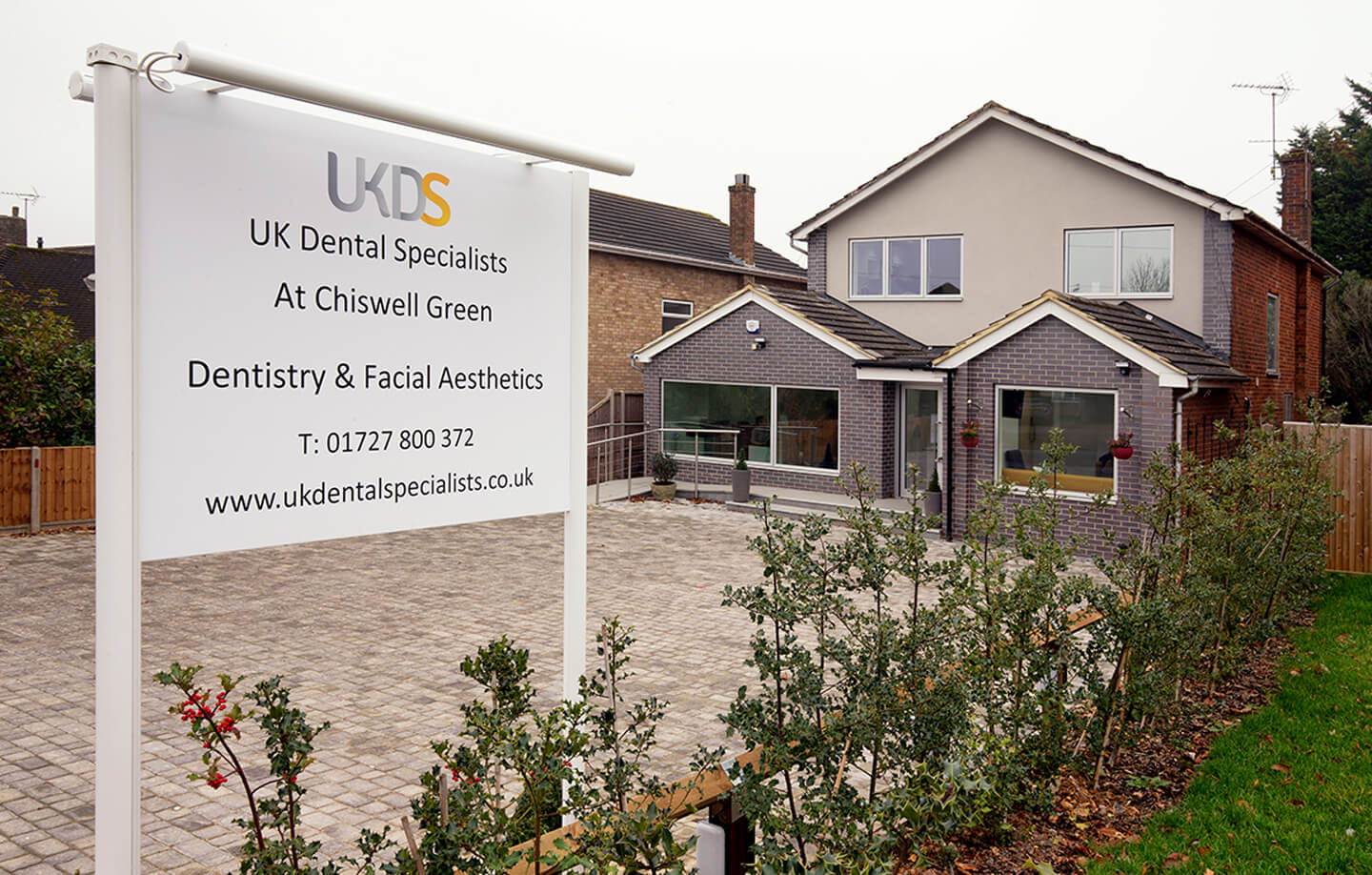
Patients in St Albans and surrounding areas often choose private dental care at practices like UK Dental Specialists for its personalised approach, continuity of care, and relaxed appointment structure. Having more time with your dentist allows for clearer explanations, better planning, and a stronger focus on prevention.
When safety, communication, and quality come together, private dental care can feel both reassuring and empowering.
Safe Care Comes From Informed Choices
Private dental care in the UK is safe — but choosing the right practice matters. By looking for proper regulation, transparent communication, and a patient-centred approach, you can feel confident in your decision.
If you’re exploring Private Dental Care in St Albans, taking the time to ask questions and understand a practice’s standards can make all the difference to your experience and peace of mind.
* Patient examples shared here may be fictional and used to reflect common concerns.