
 01727 800372

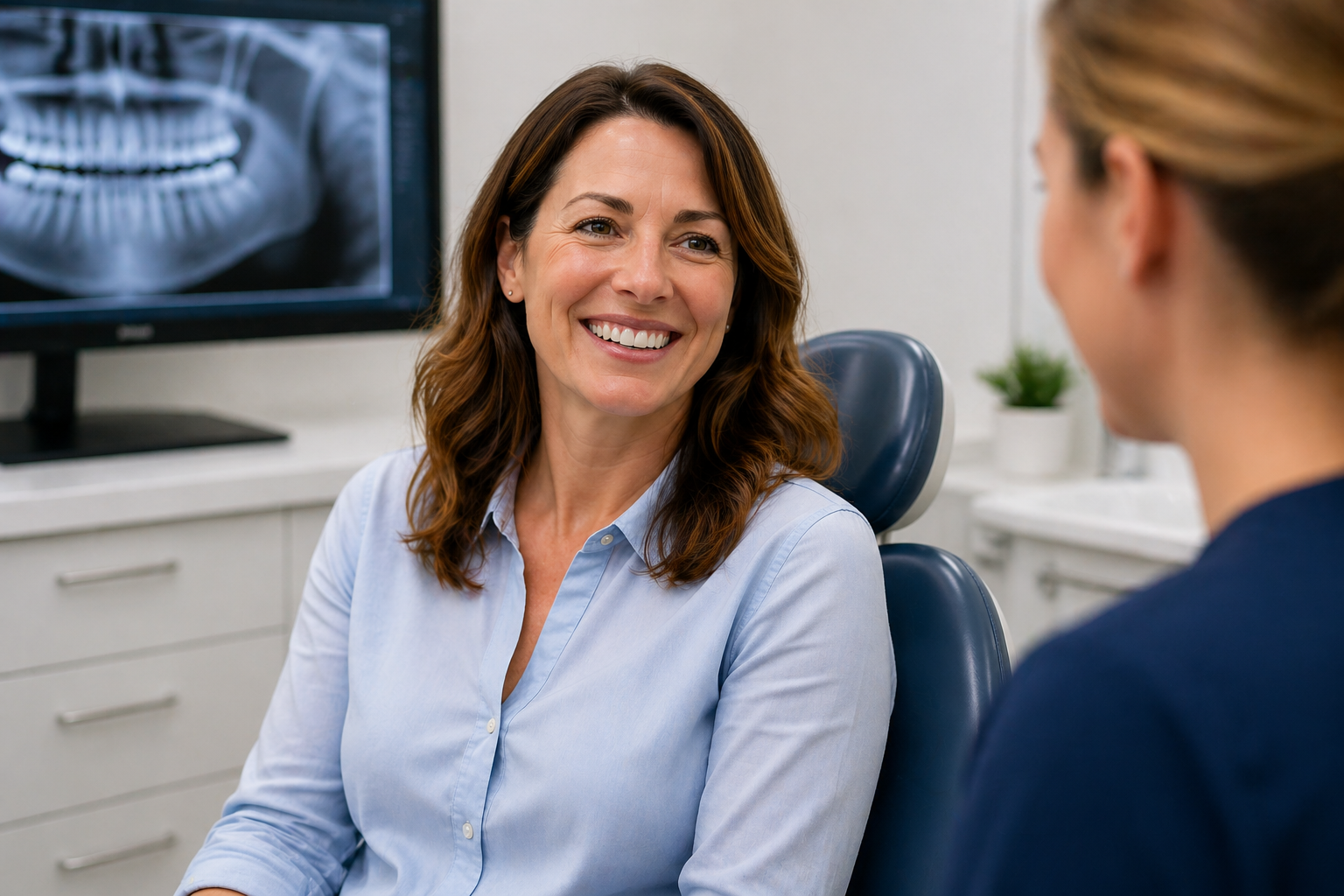
When Olivia, a 41-year-old nursery manager, first considered straightening her teeth, she assumed all orthodontic treatment was essentially the same. A few online searches later, she realised there was a significant difference between general dental providers and specialist orthodontists—and that distinction could shape her results for years to come.
Like many adults, Olivia wasn’t just looking for a straighter smile. She wanted stability, comfort, and confidence that her investment would last.
Looking for a local orthodontist near St Albans? Contact us today.
What Is a Specialist Orthodontist?
A specialist orthodontist isn’t simply a dentist who offers braces or aligners. In the UK, becoming a specialist requires several additional years of full-time postgraduate training focused exclusively on tooth movement, jaw alignment, and bite correction.
This advanced education covers:
- Complex bite problems, also known as malocclusions.
- Jaw growth and development.
- Long-term retention and stability.
- Advanced appliance systems, including clear aligners and fixed braces.
In short, specialist orthodontists are trained to see not just how your smile looks—but how it functions over time.
Why Expertise Matters in Complex Cases
For straightforward cases, treatment may seem relatively simple. But many patients—like Olivia—have underlying issues that aren’t immediately obvious.
She had mild crowding, but also an uneven bite that caused occasional jaw discomfort. A non-specialist might have focused purely on aligning her front teeth. A specialist orthodontist, however, identified the deeper issue and created a treatment plan that addressed both aesthetics and function.
This distinction matters.
Without correcting the bite properly, patients can experience:
- Teeth shifting back after treatment.
- Uneven wear on enamel.
- Jaw discomfort or tension.
- Long-term instability.
Specialist orthodontists are trained to anticipate and prevent these issues, not just react to them.
The Key to Long-Term Stability
One of the biggest concerns patients have is relapse—teeth moving back after treatment ends.
Long-term stability depends on several factors:
- Precise tooth positioning.
- Balanced bite alignment.
- Proper retention planning.
Specialist orthodontists design treatment with the end in mind. They consider how teeth will settle, how forces are distributed across the bite, and what retention methods will maintain results.
For Olivia, this meant a tailored retention plan that fit her lifestyle, ensuring her new smile stayed exactly where it should be.
Technology Is Only Part of the Story
Modern orthodontics offers impressive tools—clear aligners, digital scans, and 3D treatment planning. But technology alone doesn’t guarantee results.
It’s the expertise behind the technology that makes the difference.
A specialist orthodontist understands:
- When to use certain systems—and when not to.
- How to adjust treatment as teeth respond.
- How to manage unexpected changes during the process.
This level of precision is what transforms good results into exceptional, long-lasting ones.
Confidence You Can Trust
Choosing who provides your orthodontic treatment is a deeply personal decision. It’s not just about convenience or cost—it’s about trust.
Olivia’s journey ended with more than just straighter teeth. She gained confidence knowing her smile was built on a foundation of expert care, designed to last for years—not just months.
Final Thoughts
If you’re considering orthodontic treatment, it’s worth asking one simple question: Who is planning my smile—and what happens after treatment ends?
Seeing a specialist orthodontist means choosing depth of knowledge, careful planning, and results that are designed to stand the test of time.
Because a beautiful smile is important—but a stable, healthy one is invaluable.
Patient stories shared here may be fictional representations inspired by real cases, created to help show the positive impact these treatments can have.